Introduction
In today's visually driven world, the interaction of identity and feeling in fine art images has ended up being a focal point for artists and audiences alike. The essence of self-expression in art is caught through different designs, including aesthetic photography, self-portrait photography, and reflective photography. Each design acts as an unique medium to explore how identity forms our psychological actions and vice versa. This short article looks into the elaborate relationship between identity and emotion within the realm of fine art images, providing insights that celebrate both the artist's vision and the audience's interpretation.
Intertwining Identity and Emotion in Fine Art Imagery
Art has actually long been a canvas for revealing individual stories and psychological landscapes. In fine art imagery, the blend of identity and feeling develops powerful visual stories that resonate deeply with audiences. Whether it's through portrait designs or abstract pictures, artists communicate their inner experiences while inviting viewers to assess their own identities.
The Role of Visual Photography in Conveying Emotion
Aesthetic photography highlights appeal and type, often evoking strong emotional responses. The option of colors, lighting, and composition plays a substantial function in shaping these emotions. Professional photographers can record fleeting minutes that resonate with viewers on a profound level.
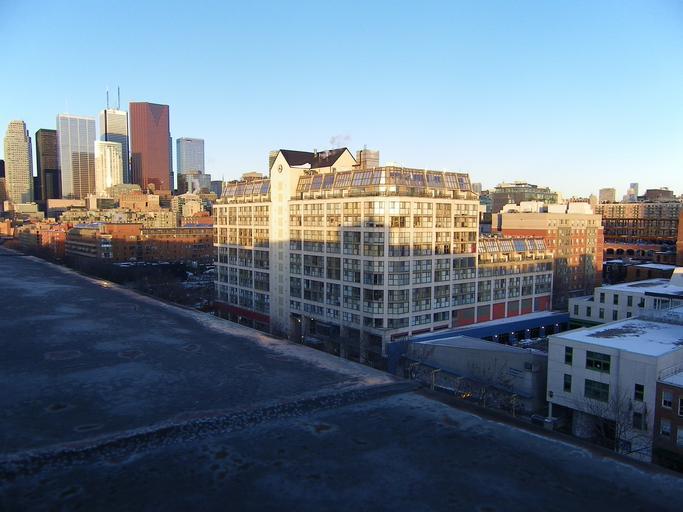
- Visual Harmony: Visual photography often focuses on creating harmony through balance in composition. Evocative Colors: Color palettes can invoke particular sensations; warm tones might stimulate comfort while cool tones can recommend calmness or isolation.
This understanding permits professional photographers to https://www.pinterest.com/oskuleinonenphotography manipulate psychological reactions effectively. For example, an image illustrating privacy can be changed by merely altering its color scheme.
Self-Portrait Photography: A Reflective Journey
Self-portrait photography provides artists a distinct opportunity to examine their identities through the lens of their own experience. By recording oneself in various contexts-- be it through facial expressions or body movement-- artists reveal layers of emotion that might otherwise remain concealed.
- Expressive Techniques: Artists typically use props or settings reflecting their moods or experiences. Faceless Portraits: This style transcends conventional self-portraits by concentrating on non-verbal cues to communicate identity without exposing facial features.
Through self-portraiture, people can challenge their vulnerabilities while at the same time producing a discussion with viewers about shared human experiences.
Contemplative Photography as a Reflection of Inner Self
Contemplative photography invites both the photographer and the audience to take part in deep observation of the subject. This practice motivates mindfulness-- a reflection on one's ideas, feelings, and surroundings.
Mindfulness Techniques in Photography
Slowing Down: Taking time to take in environments boosts emotional connections with subjects. Focus on Detail: Recording minute details reveals surprise elements of both the subject and the photographer's emotions.By promoting awareness, reflective photography acts as a mirror reflecting one's inner state while likewise permitting observers to analyze those reflections based on their experiences.
Self-Expression in Art: The Artist's Voice
Every piece of art narrates; therefore, self-expression becomes paramount for an artist's authenticity. Art images enables developers to voice their battles, accomplishments, cultural heritage, or even social critiques-- all important parts of identity formation.
Cultural Influences on Self-Expression
Art typically encapsulates cultural narratives that form personal identities:
- Historical Context: Comprehending an artist's background helps decode layers within their work. Social Commentary: Artists regularly use their platforms to resolve essential problems impacting their communities.
By articulating these themes visually, artists promote connection with audiences who may share comparable beliefs or experiences.
Exploring Picture Styles Through Emotional Lenses
Portraits are more than simply representations; they encapsulate feelings ranging from joy to despair. Numerous portrait styles allow artists to try out how they communicate these sensations:
Traditional Portraits: Often formalized representations highlighting likeness. Abstract Portraits: Use abstraction to reveal complex feelings beyond physical representation. Faceless Portraits: Invite viewers into an intimate space where identity goes beyond physical features.Each portrait style serves as a vehicle for exploring diverse identities while all at once inviting audience engagement through psychological resonance.
Interior Style as an Artistic Expression of Identity
Interior style becomes another avenue where identity links with aesthetic expression. The spaces we occupy show our characters-- through color choices, furniture choice, or artwork showed on walls.
Creating Psychological Spaces
Designers typically curate environments that generate particular feelings:
- Comfort Zones: Cozy spaces invite relaxation whereas minimalist designs promote clarity. Cultural Reflections: Including elements from one's heritage establishes connections between personal history and present-day living.
These deliberate design choices contribute substantially to how people experience their environments mentally-- an important aspect for anybody seeking self-expression within their homes.
The Effect of Fine Art Photography on Identity Representation
Fine art photography serves not just as artistic expression but also plays a pivotal role in forming understandings around identity within society at big. It challenges normative requirements while showcasing varied stories frequently marginalized in mainstream media.
Diversity Through Visual Representation
As fine art photographers accept varied perspectives:
They difficulty stereotypes surrounding race, gender roles, sexuality. They emphasize underrepresented voices whose stories should have recommendation within more comprehensive cultural conversations.Through this lens-- the intersectionality between identity representation becomes apparent-- it prompts reflection amongst viewers about social constructs related to belongingness and acceptance.
The Progressing Nature of Abstract Portraits
Abstract portraits break standard limits by focusing less on realism but rather using emotional depth conveyed through kind rather than information alone:
Emotions end up being pictured through color splashes or distorted shapes representing internal states. Viewers are welcomed into subjective worlds in which interpretations vary commonly depending upon private experiences relating back towards identity expedition itself!As abstract pictures gain appeal amongst modern artists-- they symbolize liberty from conventional artistry whilst motivating deeper self-questioning regarding one's experiential journey throughout life!
Frequently Asked Questions (Frequently asked questions)
1) What is fine art photography?
Fine art photography is developed according to the artist's vision instead of exclusively for commercial functions; it aims at conveying feelings or principles more abstractly than mere documentary work may entail!
modern wall art2) How does self-expression manifest through portrait styles?
Self-expression manifests through purposeful options made regarding pose/setting/composition-- each choice reflects an artist's unique viewpoint upon themselves & & showcases vulnerability permitting viewers insight into shared human experiences!
3) What differentiates reflective photography?
Contemplative photography highlights mindfulness; it encourages thoughtful observation resulting in deeper connections formed in between photographer-subject-viewer alike-- inviting expedition beneath surface-level interpretations!
4) Why are faceless portraits significant?
Faceless portraits highlight elements beyond physical look-- they focus instead upon emotion conveyed through gesture/body language allowing viewers greater liberty analyzing identities apart from presumptions connected into traditional portrayals!
5) Can interior design show individual identity?
Indeed! Interior decoration forms an extension of one's personality integrating preferred colors/textures/objects which collectively cultivate atmospheres resonant with private choices consequently fostering authentic home reflective distinctly upon oneself!
6) How do abstract portraits contribute towards understanding emotion?
Abstract portraits invite audiences experiencing complexity linked in between shapes/colors prompting nuanced analyses rooted deeply personal histories-- this cultivates significant dialogues surrounding cumulative understanding relating to emotional depth inherent human experience!
Conclusion
In summation, the intertwining of identity and emotion in fine art images reveals rich narratives waiting to be discovered by both artists and audiences alike! Through various types-- from aesthetic photography down onto abstract pictures-- we encounter glimpses into individual journeys formed by culture/society/personal history ultimately illustrating complex nature what constitutes humankind itself! As we continue checking out these styles together let us embrace diversity value various point of views cultivating compassionate connections bridging spaces existing amongst us all!